
Website Development & UX for Maritime & Marine Industries
Maritime Website Development & UX that Boosts Your Brand
A high-performing website is the core of every maritime brand’s digital presence.
Wake Media designs and develops user-centred websites that help marine, offshore and energy businesses showcase their expertise, capture leads and support long, complex sales cycles.
Whether you need a new site, a redesign, or UX-focused improvements, we build digital experiences that work — for your audience and for your commercial goals.
Why Website UX Matters in the Maritime Industry
- Maritime buying cycles are complex, technical and global. Your website must support:
- – Buyers researching solutions long before contacting sales
- – High-value procurement decisions
- – Stakeholders across operations, engineering, IT and leadership
- – International visibility across multiple regions
- – Thought-leadership and technical content
- – Recruitment and employer brand objectives
- A modern maritime website must do three things:
- 1) Build trust quickly
- 2) Communicate complex offerings clearly
- 3) Guide users towards high-value actions
Wake Media specialises in websites built for the unique challenges of the maritime sector.
Our Website Services for Maritime Brands
Maritime Website Design & Development
User-Centred Design for Marine, Offshore & Energy Audiences
We design websites that reflect your brand, communicate clearly and convert effectively.
- Our Approach Includes:
- – Maritime-specific UX and design
- – Sector-aligned message hierarchy
- – Information architecture & navigation planning
- – UI design with audience insights
- – Wireframes & prototyping
- – Maritime-relevant content structuring
- – Responsive mobile-first layouts
- – Accessibility best practice
Every design is created for clarity, credibility and conversion.
UX Audits & Website Performance Analysis
Identify Issues, Reduce Friction, Improve Conversions
Many maritime websites underperform due to unclear messaging, slow performance or outdated UX patterns.
- Our UX Audits analyse:
- – User journeys and navigation
- – Content clarity & page structure
- – Calls-to-action & conversion paths
- – Page load speed & Core Web Vitals
- – Interaction behaviour & scroll depth
- – Forms, downloads & enquiry points
- – Mobile usability
- – Competitor benchmarks
You receive a prioritised action plan and recommendations for improvement.
Website Rebuilds & Redesigns
Transform Your Digital Presence Without Losing Momentum
When a site needs more than maintenance, we deliver full website rebuilds in partnership with our specialist development teams.
- This includes:
- – Full UX and design overhaul
- – Replatforming (e.g. older CMS > WordPress OR Headless CMS)
- – Content restructuring
- – Technical SEO migration
- – Fast, secure and scalable builds
- – Integration with CRM, marketing automation and tracking platforms
- We ensure your new website is modern, fast, search-friendly and commercially aligned.
Information Architecture & Navigation Planning
Help Buyers Find the Right Information Faster
Clear navigation is essential in the maritime world, where products and services are often complex.
- Our IA process includes:
- – Sitemap architecture
- – Navigation modelling
- – Content grouping & categorisation
- – Sector pathways (shipyards, ports, offshore, suppliers etc.)
- – Menu optimisation
- – UX flows and task mapping
Your website becomes easier to use — reducing frustration and drop-off.
Messaging, Copywriting & Content Support
Maritime-Specific Content That Improves UX and SEO
We create strong, sector-relevant copy that supports UX, SEO and brand positioning.
- This includes:
- – Landing page messaging
- – Service and product page content
- – Technical copywriting
- – Thought-leadership frameworks
- – Metadata, headings and page structure
- – SEO content alignment
- – AI-ready content structuring
- All content is created by maritime-experienced writers.
Website Maintenance, Optimisation & Continuous Improvement
Keep Your Website Fast, Healthy and Performing
We provide ongoing optimisation to make sure your site evolves with your business:
- Our process includes:
- – Monthly or quarterly optimisation
- – Technical updates & security checks
- – UX refinements
- – A/B testing
- – CRO improvements
- – Content updates
- – Feature enhancements
- – Reporting & insights
Your website becomes a living, improving asset — not a static brochure.
Our Process for Maritime Website Projects
1. Discovery & Digital Workshop
Understanding audiences, markets, products and commercial goals.
2. UX & IA Planning
Structure, navigation and flows that reflect how maritime buyers think.
3. Design Production
Brand-aligned layouts built for clarity, credibility and conversion.
4. Development & Integration
Fast, secure builds with tracking, automation and SEO foundations.
5. QA, Testing & Launch
Full testing across devices, browsers and user paths.
6. Optimisation & Ongoing Support
Improvements based on data, user behaviour and performance.
Build a Website That Moves Your Maritime Brand Forward
Your website is often the first interaction buyers have with your business.
Let’s make it an experience that informs, engages and converts.
Maritime Website Development & UX FAQs
Yes — we specialise exclusively in maritime, marine, offshore and energy sectors.
We provide UX, design and content in-house, partnering with trusted developers for build and integration.
Absolutely. Many clients begin with a UX audit and phased improvements.
Typically 8–16 weeks depending on size, complexity and content requirements.
Yes — we can support global maritime brands with localisation and multilingual structures.
Case Studies
-

Website SEO Strategy and Content Creation
Find out how the Wake Media team worked with a client to improve its marine website’s SEO…
-
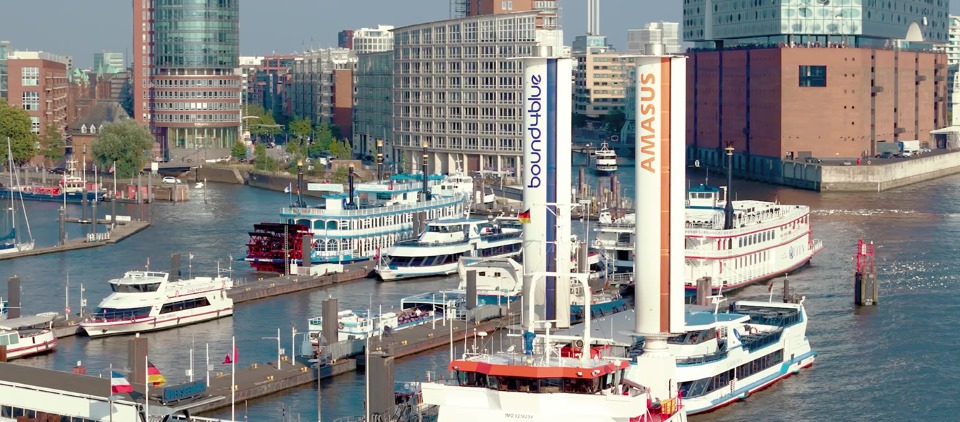
Lloyd’s Register’s Comprehensive Video Coverage at SMM Hamburg
Wake Media partnered with Lloyd’s Register to produce a compelling video series at SMM Hamburg, capturing key…
-
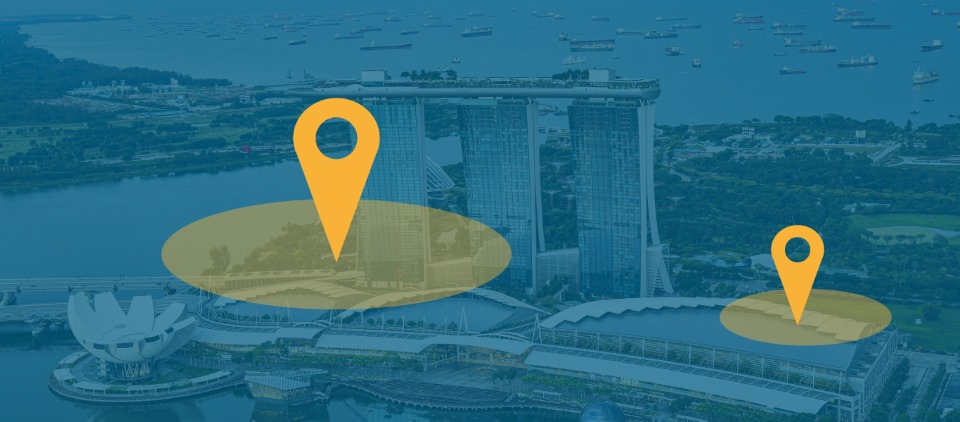
Case Study: Sea Asia 2025 with Location-Based Programmatic Advertising
At Sea Asia 2025, Wake Media delivered a hyper-targeted programmatic campaign using geo-fencing to reach maritime professionals—driving…